Emotions Can Hurt
Why Emotions Can Cost Investors Thousands (or more)
Have you ever made a decision with money that you later regretted? Maybe you sold too quickly when the value dropped, or you bought something just because everyone else was excited. You’re not alone. One of the biggest costs in investing isn’t fees or taxes but our own behavior. Understanding it can save you thousands over a lifetime.
Why Investors Underperform
There is often a difference between the investment’s returns and the investor’s return. Research shows that investors consistently earn less than their investments, sometimes by a significant amount. This usually happens not because the investments themselves are bad, but because people make decisions based on emotional impulse.
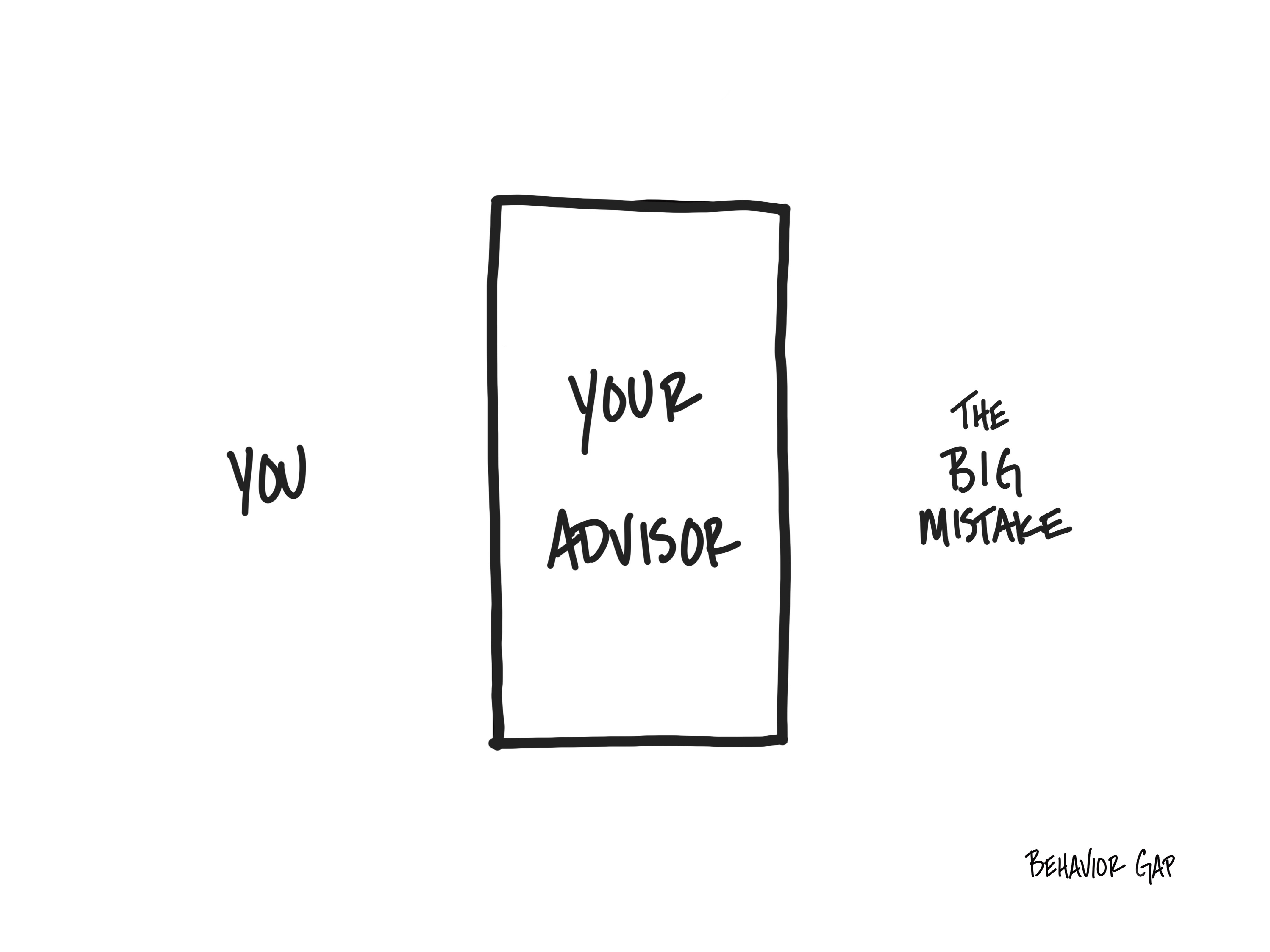
Carl Richards, author of “The Behavior Gap,” explains that the average investor often buys when they’re excited and sells when they’re scared. That’s exactly the opposite of what makes sense over the long term. The result is lower returns and missed opportunities.
Think about it like this: if an investment grows steadily over time but you panic during a downturn and sell, you lock in a loss. On the flip side, chasing what’s hot usually means buying at a high price, leaving less room for growth and more downside if the value drops. Small emotional choices like these repeated over decades can add up to tens or hundreds of thousands of dollars left on the table.
How Financial Advisors Help Close the Gap
One of the most valuable roles a financial advisor plays is helping clients avoid emotionally driven mistakes. Advisors act as a steady influence, keeping the focus on long‑term goals instead of short‑term noise.
There are three major ways advisors help close the behavior gap:
Expertise: Advisors understand financial strategies, investment options, and market movements. They create a plan aligned with your specific goals, addressing the many potential risks.
Implementation: Advisors help you follow your plan rather than react emotionally to market changes and can ensure the plan has flexibility to address future unknowns.
Oversight: Regular reviews ensure your plan is updated, reflecting any changes as you go through life, while preventing costly emotional decisions.
The Data
Studies from organizations such as Dalbar, Vanguard, and Russell suggest that over a 25 to 30-year period, the average investor earns around 2–3% less per year than the market’s actual performance.
For example:
• $100,000 invested for 30 years with a 10% return grows to over $1.9 million.
• The same $100,000 earning only 8% due to emotional decisions grows to less than $1.1 million.
That difference of over $800,000 could come purely from behavioral mistakes rather than poor investments.
Common Emotional Traps
Understanding emotional triggers is the first step to avoiding the behavioral gap. Common traps include:
• Panicked Selling: Selling quickly when markets drop to avoid short‑term losses.
• Chasing Returns: Investing in popular trends without considering long‑term strategy.
• Overconfidence: Believing you can consistently time the market.
• Herd Mentality: Following what others are doing instead of sticking to your plan.
Behavioral Coaching: The Key to Better Results
Behavioral coaching focuses on helping investors develop disciplined habits. It’s not just about which investments to choose, it's about how to behave over time. For example, a new investor might begin with small, manageable contributions to a retirement plan. Each year those contributions increase gradually. Over decades, these consistent actions can build significant wealth without triggering emotional reactions.
Advisors also help during major financial transitions such as retirement, starting a new job, or selling a business, ensuring decisions remain aligned with long‑term plans.
Steps You Can Take Today
- Plan – Define your financial goals, timeline, and risk tolerance.
- Set Rules – Decide in advance how you will respond to market downturns.
- Automate Investments – Regular contributions reduce emotional decision‑making.
- Check Progress, Not Prices – Focus on long‑term growth rather than daily market movements.
- Consider Professional Guidance – Advisors can provide expertise, implementation, and monitoring.
Frequently Asked Questions
Can emotional decisions really be this costly?
Yes! Multiple studies have been done revealing that investors consistently earn less than their investments. Research has repeatedly shown this phenomenon over multiple years.
Why do investors earn less than their investments?
Financial planning is difficult. It requires discipline, and often emotions can cause investors to mistime the markets by buying during times of euphoria and/or selling during times of panic.
How can working with a financial advisor help reduce the behavioral gap?
Many investors’ decisions are well intended but can be subjectively driven. A professional, objective, third party can help separate the plan from the passions. A financial advisor helps investors stay focused on long-term financial goals instead of reacting to short-term market changes.